










Do you hear banging or scratching sounds coming from your attic at night? Wildlife Removal 911 delivers professional raccoon removal services in Hampton, VA. Our licensed experts use safe, humane trapping methods, thorough cleanup protocols, and long-term exclusion techniques to protect your home, health, and peace of mind.
At Wildlife Removal 911, we respond quickly with local knowledge and years of experience handling raccoons throughout the Hampton area. We manage the entire process in-house—inspection, humane removal, disinfection, and sealing entry points—so you get a complete solution from one trusted team. Our pricing is upfront, and we prioritize fast, safe results.
We perform a detailed assessment of your attic, roofline, crawlspace, and exterior to locate access points and signs of raccoon activity.
Using live traps and one-way doors, we humanely remove raccoons without harm to the animal.
We remove raccoon droppings, nesting materials, and biohazards that pose health risks to your family or pets.
Our team seals up entry points, installs chew-proof barriers, and reinforces vulnerable areas to prevent raccoons from returning.
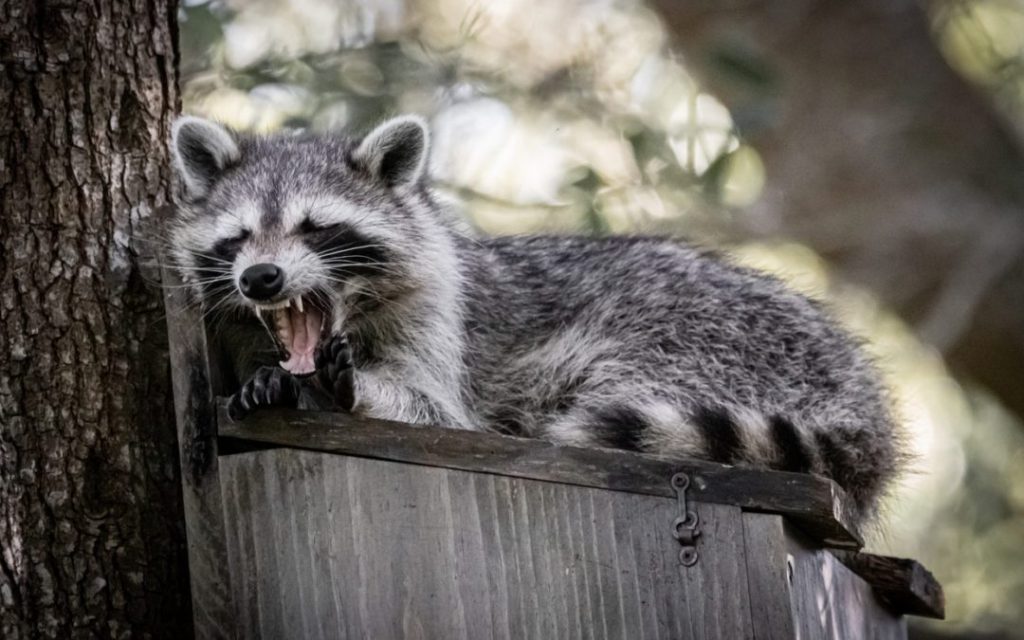
Raccoons are nocturnal and highly active in attics, crawl spaces, and around trash areas. If you spot any of these indicators, it’s time to take action:
Thudding or scratching noises during the night
Droppings or nesting debris in your attic or garage
Torn insulation or chewed wires and ducts
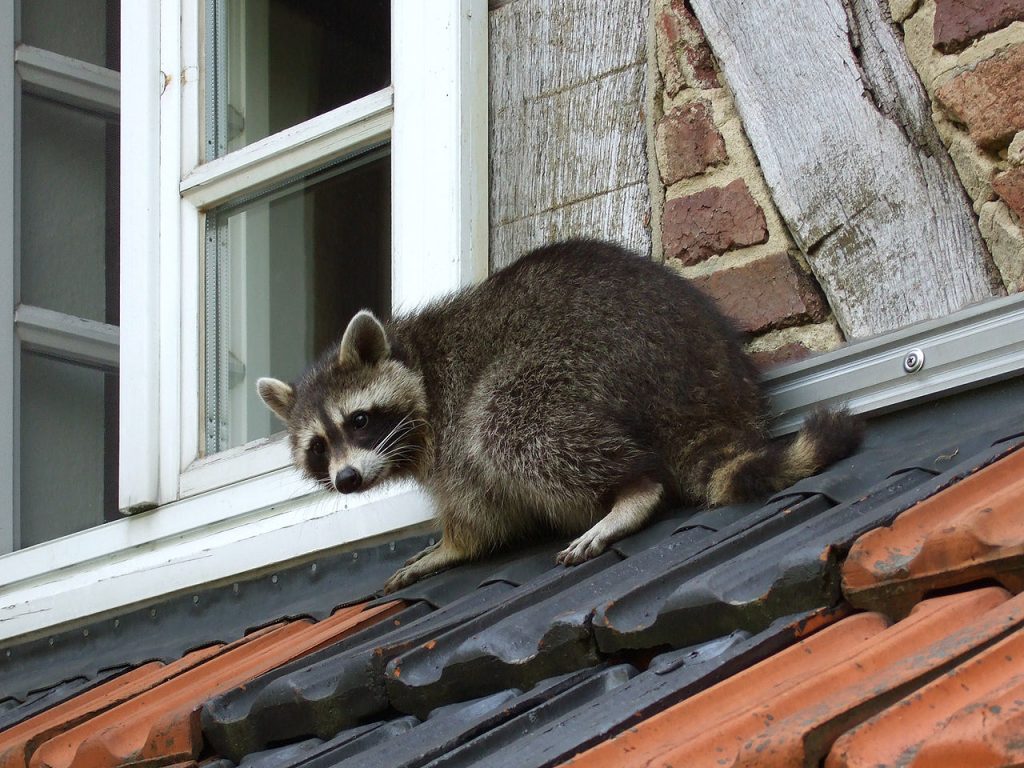
Entry holes or scratch marks near vents and eaves
Trash cans tipped over or pet food scattered outdoors
Raccoons are not just destructive—they’re also a significant health risk. They can transmit diseases like rabies, leptospirosis, and raccoon roundworm through droppings, saliva, and nesting materials. Inhaling contaminated dust can lead to serious illness. That’s why raccoon infestations should only be handled by trained wildlife professionals who follow proper safety and sanitization procedures.
Raccoons are drawn to food sources like pet bowls, unsecured trash, bird feeders, and compost piles. They also seek out quiet, warm places such as attics or crawl spaces for shelter.
Yes. Raccoons can tear insulation, chew through wiring, damage ductwork, and leave behind urine and feces that cause stains and odors. Their presence can also attract parasites like fleas and ticks.
Raccoons can become aggressive if cornered and may carry diseases like rabies or leptospirosis. Their waste may also spread harmful roundworms, making professional removal essential.
We use humane traps and one-way exclusion devices to remove raccoons without injury. Once removed, we sanitize the affected areas and seal all entry points to prevent return.